Top Automotive Parts for Your Vehicle Maintenance
- Daniel ODG
- 5 hours ago
- 4 min read

Maintaining your vehicle is crucial for ensuring its longevity and performance. Regular upkeep not only keeps your car running smoothly but also enhances safety and can save you money in the long run. In this post, we will explore the top automotive parts that are essential for vehicle maintenance. From filters to brakes, understanding these components will help you make informed decisions about your car care.
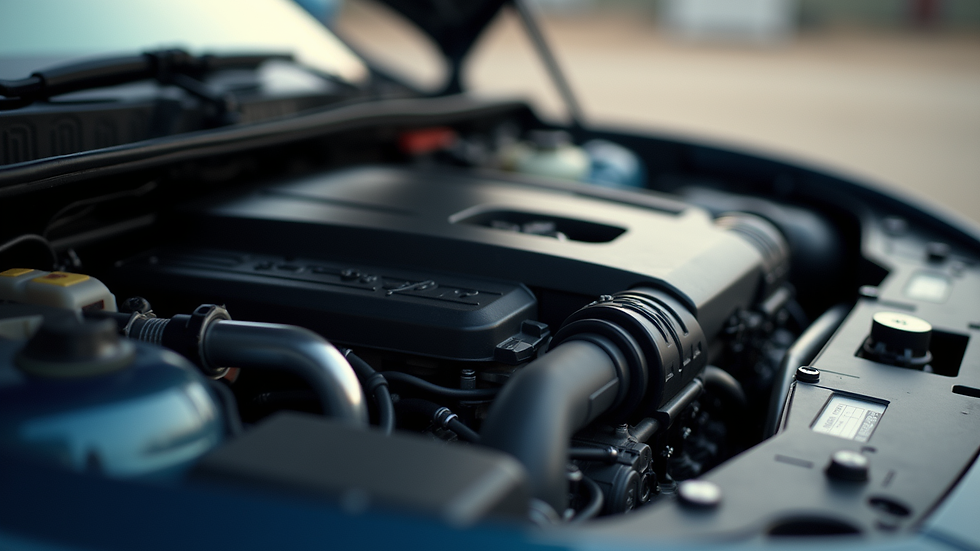
Understanding the Importance of Automotive Parts
Automotive parts are the building blocks of your vehicle. Each component plays a specific role, and neglecting any part can lead to significant issues. Here are some reasons why understanding automotive parts is essential:
Safety: Well-maintained parts ensure that your vehicle operates safely, reducing the risk of accidents.
Performance: Quality parts contribute to better fuel efficiency and overall performance.
Cost-Effectiveness: Regular maintenance can prevent costly repairs down the line.
Essential Automotive Parts for Maintenance
1. Engine Oil and Oil Filters
Engine oil is the lifeblood of your vehicle. It lubricates the engine's moving parts, reduces friction, and helps to cool the engine. Regular oil changes are necessary to keep your engine running smoothly.
Oil Filters: These filters remove contaminants from the oil, ensuring that only clean oil circulates through the engine. A clogged oil filter can lead to engine damage.
Tip: Check your owner's manual for the recommended oil change interval, typically every 5,000 to 7,500 miles.
2. Air Filters
The air filter prevents dirt and debris from entering the engine. A clean air filter is essential for optimal engine performance and fuel efficiency.
Signs of a Dirty Air Filter: Reduced acceleration, decreased fuel efficiency, and unusual engine sounds can indicate that your air filter needs replacement.
Tip: Inspect your air filter every 12,000 miles or as recommended by your vehicle's manufacturer.
3. Brake Pads and Rotors
Brakes are one of the most critical safety components of your vehicle. Brake pads and rotors work together to slow down or stop your car.
Brake Pads: These are the components that press against the rotors to create friction. Worn brake pads can lead to decreased stopping power and damage to the rotors.
Rotors: These are metal discs that the brake pads clamp down on. If rotors become warped or worn, they may need to be replaced.
Tip: Listen for squeaking or grinding noises when braking, as these can indicate that your brake pads need attention.
4. Tires
Tires are the only contact your vehicle has with the road, making them crucial for safety and performance. Regularly checking tire pressure and tread depth can prevent blowouts and improve fuel efficiency.
Tire Pressure: Under-inflated tires can decrease fuel efficiency and increase wear. Check your tire pressure monthly.
Tread Depth: Use the penny test to check tread depth. Insert a penny into the tread; if you can see Lincoln's head, it's time for new tires.
Tip: Rotate your tires every 5,000 to 7,500 miles to ensure even wear.
5. Battery
The battery provides the electrical power needed to start your vehicle and run accessories. A weak or dead battery can leave you stranded.
Signs of a Failing Battery: Slow engine crank, dim lights, and the check engine light can indicate battery issues.
Tip: Test your battery regularly, especially before winter, when cold weather can affect performance.
6. Wiper Blades
Clear visibility is essential for safe driving, and wiper blades play a vital role in maintaining that visibility. Worn or damaged wiper blades can leave streaks and reduce visibility during rain or snow.
Replacement Frequency: Wiper blades should be replaced every six months to a year, depending on usage and weather conditions.
Tip: Inspect your wiper blades regularly for signs of wear, such as cracks or fraying.
7. Belts and Hoses
Belts and hoses are critical for your vehicle's operation. They help transfer power and fluids throughout the engine.
Serpentine Belt: This belt drives multiple components, including the alternator and power steering pump. A worn serpentine belt can lead to engine failure.
Hoses: These carry coolant and other fluids. Cracked or leaking hoses can cause overheating and engine damage.
Tip: Inspect belts and hoses for signs of wear, such as cracks or fraying, during routine maintenance.
8. Fuel Filters
The fuel filter keeps contaminants out of your engine's fuel system. A clogged fuel filter can lead to poor engine performance and reduced fuel efficiency.
Replacement Schedule: Fuel filters should be replaced according to your vehicle's maintenance schedule, typically every 30,000 to 50,000 miles.
Tip: If you notice a decrease in acceleration or engine performance, it may be time to check your fuel filter.
9. Spark Plugs
Spark plugs ignite the air-fuel mixture in the engine's cylinders. Worn or faulty spark plugs can lead to misfires, reduced fuel efficiency, and increased emissions.
Replacement Frequency: Spark plugs should be replaced every 30,000 to 100,000 miles, depending on the type used.
Tip: Regularly inspect spark plugs for wear and replace them as needed to maintain engine performance.
10. Suspension Components
The suspension system is responsible for providing a smooth ride and maintaining vehicle stability. Key components include shocks, struts, and control arms.
Signs of Wear: If you notice excessive bouncing, uneven tire wear, or a rough ride, it may be time to inspect your suspension.
Tip: Have your suspension system checked during routine maintenance to ensure optimal performance.
Conclusion
Understanding the essential automotive parts for vehicle maintenance is key to keeping your car in top shape. Regular inspections and timely replacements can prevent costly repairs and ensure your safety on the road. By paying attention to these components, you can enhance your vehicle's performance and longevity.
Take the time to familiarize yourself with these parts and establish a maintenance routine that works for you. Your vehicle will thank you with reliable performance and safety for years to come.

Comments